




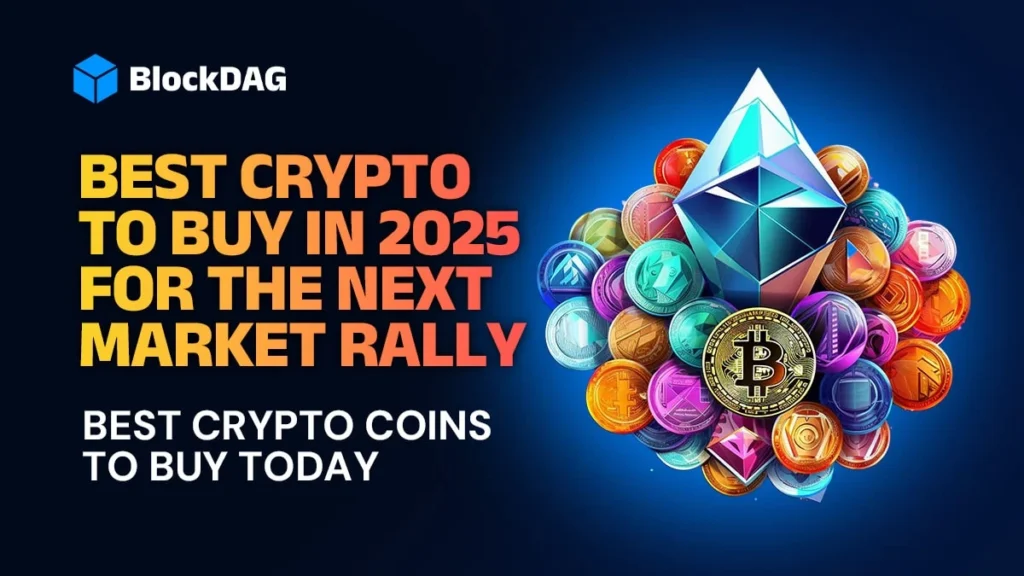
Cryptocurrencies have taken the financial world by storm, offering unprecedented opportunities for investors to grow their wealth. With over 10,000 cryptocurrencies in existence, choosing the best ones to invest in can be overwhelming. Whether you’re a seasoned investor or a beginner, this guide will help you navigate the complex world of digital assets and identify the best cryptocurrencies to buy in 2025.
In this article, we’ll break down the top cryptocurrencies based on their market performance, utility, and long-term potential. We’ll also provide actionable insights, tips, and strategies to help you make informed decisions. Let’s dive in!
Why Invest in Cryptocurrencies?
Before we explore the best cryptocurrencies to buy, let’s understand why investing in digital assets is worth considering:
- High Growth Potential: Cryptocurrencies like Bitcoin and Ethereum have delivered astronomical returns over the past decade.
- Diversification: Adding crypto to your portfolio can reduce risk by diversifying across asset classes.
- Decentralization: Unlike traditional currencies, cryptocurrencies operate on decentralized networks, offering greater transparency and security.
- Innovation: Blockchain technology, the backbone of cryptocurrencies, is revolutionizing industries like finance, healthcare, and supply chain management.
According to a 2025 report by Statista, the global cryptocurrency market is projected to reach $4.94 billion by 2030, growing at a compound annual growth rate (CAGR) of 12.8%. This makes now an ideal time to explore the best cryptocurrencies to invest in.
Top Cryptocurrencies to Buy in 2025
Here’s a curated list of the best cryptocurrencies to buy this year, based on their market capitalization, technological innovation, and real-world applications.
1. Bitcoin (BTC)
Market Cap: $600+ billion (as of October 2024)
Bitcoin, the first and most well-known cryptocurrency, remains a top choice for investors. Often referred to as “digital gold,” Bitcoin is a store of value and a hedge against inflation.
Why Invest in Bitcoin?
- Limited Supply: Only 21 million Bitcoins will ever exist, making it a scarce asset.
- Institutional Adoption: Companies like Tesla, MicroStrategy, and Square have added Bitcoin to their balance sheets.
- Global Recognition: Bitcoin is widely accepted as a payment method and is increasingly integrated into financial systems.
Tip: Consider dollar-cost averaging (DCA) to invest in Bitcoin gradually and reduce the impact of market volatility.
2. Ethereum (ETH)
Market Cap: $200+ billion (as of October 2024)
Ethereum is more than just a cryptocurrency; it’s a decentralized platform for building smart contracts and decentralized applications (Dapps).
Why Invest in Ethereum?
- Smart Contracts: Ethereum’s blockchain enables programmable agreements, powering innovations like DeFi (Decentralized Finance) and NFTs (Non-Fungible Tokens).
- Ethereum 2.0: The upgrade to a proof-of-stake (Po’s) consensus mechanism has made Ethereum more energy-efficient and scalable.
- Ecosystem Growth: Over 3,000 Dapps are built on Ethereum, including popular platforms like Uniswap and Avae.
Tip: Staking Ethereum can earn you passive income while supporting the network’s security.
3. Binance Coin (BNB)
Market Cap: $40+ billion (as of October 2024)
Binance Coin is the native cryptocurrency of Binance, the world’s largest cryptocurrency exchange by trading volume.
Why Invest in Binance Coin?
- Utility: BNB is used to pay transaction fees on Binance, offering discounts to users.
- Burn Mechanism: Binance periodically “burns” (destroys) BNB tokens, reducing supply and increasing scarcity.
- Ecosystem Expansion: Binance has expanded into DeFi, NFTs, and even a blockchain ecosystem, boosting BNB’s value.
Tip: Use BNB to save on trading fees if you’re an active trader on Binance.
4. Cardano (ADA)
Market Cap: $10+ billion (as of October 2024)
Cardano is a third-generation blockchain platform focused on scalability, sustainability, and interoperability.
Why Invest in Cardano?
- Peer-Reviewed Research: Cardano’s development is backed by academic research, ensuring a robust and secure network.
- Sustainability: Cardano uses a proof-of-stake (Po’s) mechanism, making it more energy-efficient than proof-of-work (PoW) blockchains.
- Real-World Use Cases: Cardano is being used for projects in agriculture, education, and identity verification.
Tip: Keep an eye on Cardano’s partnerships and adoption in developing countries.
5. Solana (SOL)
Market Cap: $8+ billion (as of October 2024)
Solana is a high-performance blockchain known for its speed and low transaction costs.
Why Invest in Solana?
- Speed: Solana can process 65,000 transactions per second (TPS), far surpassing Ethereum’s 30 TPS.
- Growing Ecosystem: Solana hosts a thriving ecosystem of DeFi projects, NFTs, and Web3 applications.
- Institutional Interest: Solana has attracted investments from major players like Andreessen Horowitz and FTX.
Tip: Solana’s low fees make it ideal for microtransactions and high-frequency trading.
6. Polka dot (DOT)
Market Cap: $7+ billion (as of October 2024)
Polka dot is a multi-chain network that enables different blockchains to interoperate and share information.
Why Invest in Polkadot?
- Interoperability: Polkadot connects blockchains, allowing them to work together seamlessly.
- Scalability: Polkadot’s parachain architecture improves scalability and reduces congestion.
- Governance: DOT holders can participate in network governance, giving them a say in future developments.
Tip: Look for projects building on Polkadot’s ecosystem for additional investment opportunities.
How to Choose the Best Cryptocurrencies to Buy

With so many options available, here are some key factors to consider when selecting cryptocurrencies to invest in:
- Market Capitalization: Larger market cap coins like Bitcoin and Ethereum are generally less volatile.
- Use Case: Invest in cryptocurrencies with real-world applications and strong utility.
- Team and Development: Research the team behind the project and their track record.
- Community Support: A strong, active community can drive adoption and growth.
- Regulatory Environment: Ensure the cryptocurrency complies with regulations in your region.
Risks of Investing in Cryptocurrencies
While cryptocurrencies offer high rewards, they also come with risks:
- Volatility: Crypto prices can fluctuate dramatically in short periods.
- Regulatory Uncertainty: Governments may impose restrictions or bans on cryptocurrencies.
- Security Risks: Hacks and scams are prevalent in the crypto space.
Pro Tip: Never invest more than you can afford to lose, and always use secure wallets to store your assets.
Conclusion: Start Your Crypto Investment Journey Today
Investing in cryptocurrencies can be a rewarding venture if approached with caution and due diligence. By focusing on established coins like Bitcoin and Ethereum and exploring promising altcoins like Solana and Cardano, you can build a diversified crypto portfolio.
Remember to stay informed, manage risks, and invest only what you can afford to lose. The crypto market is constantly evolving, offering new opportunities for those willing to learn and adapt.
Ready to take the plunge? Start by researching the cryptocurrencies mentioned in this guide and consider consulting a financial advisor for personalized advice.
Call-to-Action (CTA):
What’s your favorite cryptocurrency to invest in? Share your thoughts in the comments below, and don’t forget to subscribe for more insights on the latest trends in crypto and finance!
FAQs About Cryptocurrency Investments
1. What is the best cryptocurrency for beginners?
Bitcoin and Ethereum are ideal for beginners due to their stability and widespread adoption.
2. How much should I invest in cryptocurrencies?
Allocate only a small percentage (5-10%) of your portfolio to cryptocurrencies to manage risk.
3. Can I lose all my money in crypto?
Yes, cryptocurrencies are highly volatile, and there’s a risk of losing your entire investment.
4. Should I invest in altcoins?
Altcoins can offer higher returns but come with greater risk. Research thoroughly before investing.
5. How do I store my cryptocurrencies?
Use hardware wallets like Ledger or Trezor for secure storage.